
Canada-Mongolia Merit Project
The Canada-Mongolia Mеrit Project is a five-year governance initiative (2025–2030) funded by the Government of Canada.
Merit project strengthens Mongolia’s public sector by advancing ethics, human rights, gender, human resources, results-based management, and civic engagement with a strong focus on women and marginalized groups. The project aims to scale its impact nationwide, solidifying institutional reforms for long-term sustainability.
A strengthened and empowered civil service that delivers high-quality, ethical, inclusive and accessible public services to all citizens in Mongolia, with a focus on their needs and rights
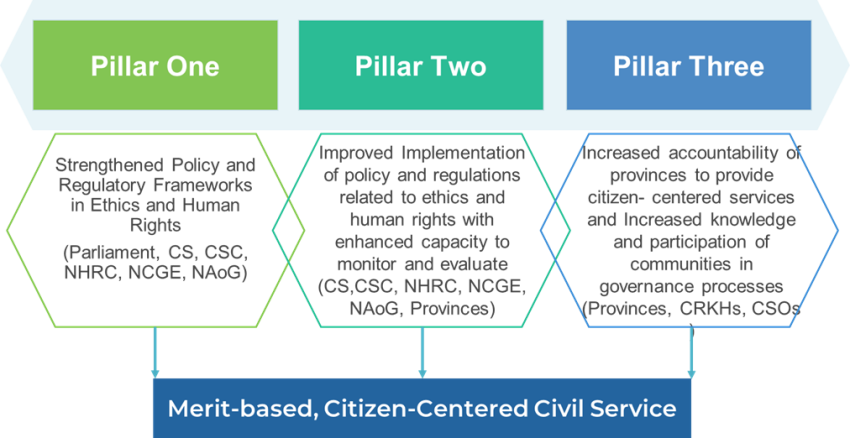
Project Implementation Structure
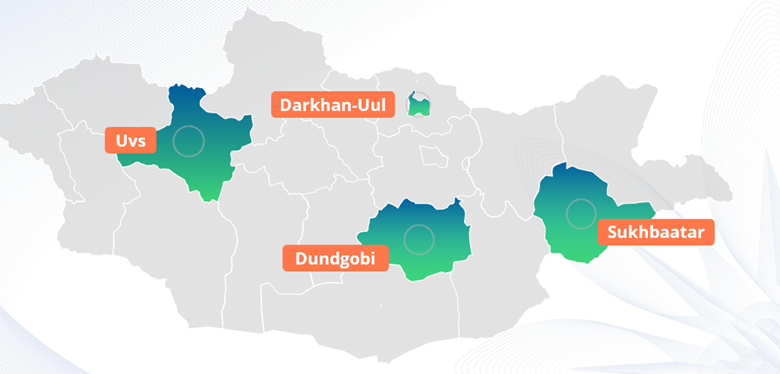
Project Provinces
Key Focus Areas
Gender Equality
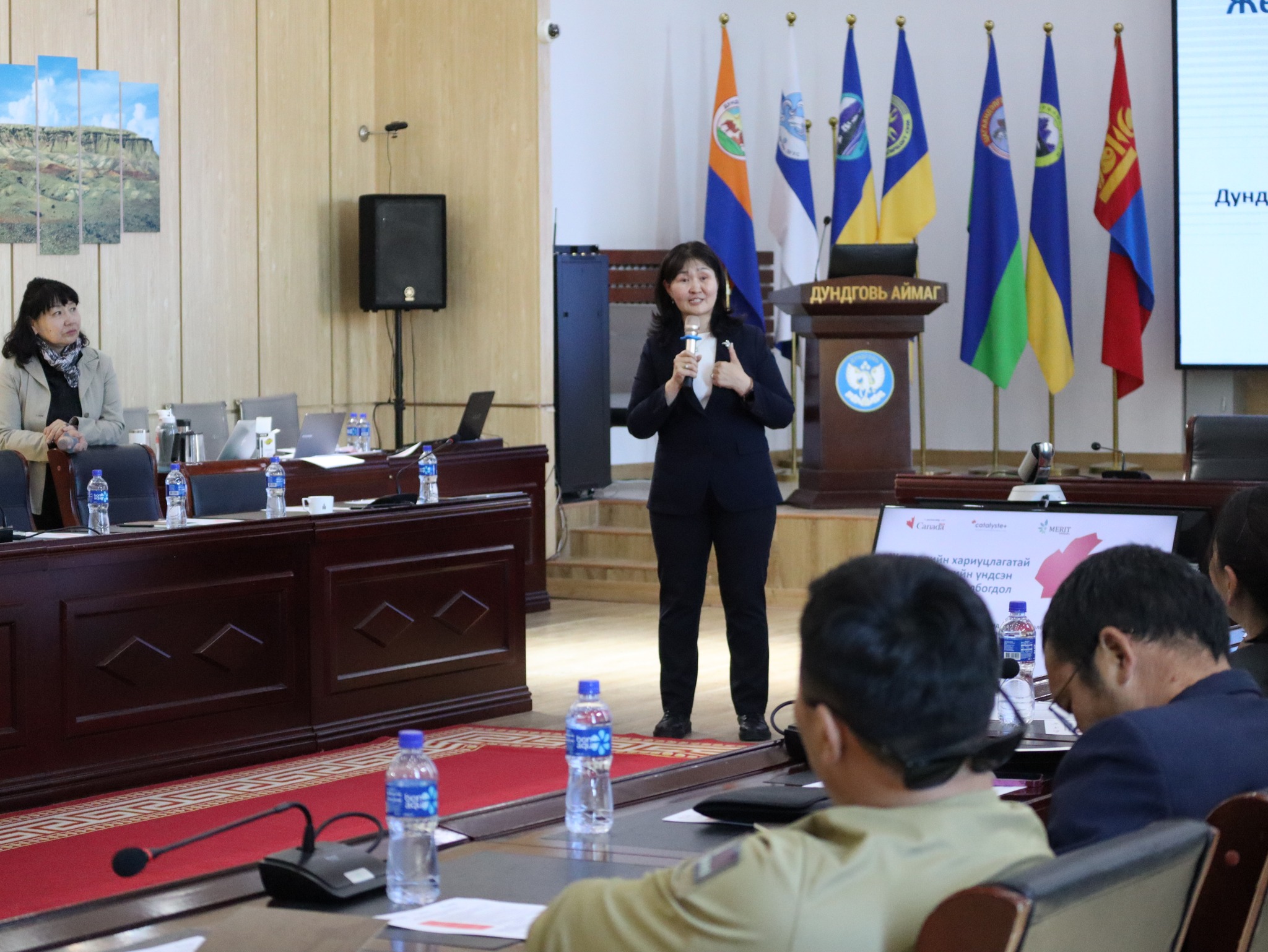
The Canada–Mongolia MERIT Project contributes to the advancement of Sustainable Development Goal 5 by promoting gender equality across public institutions. The project strengthens capacity at both central and local levels, including through gender-responsive training curricula at the National Academy of Governance.
MERIT embeds gender-responsive budgeting into public financial management systems to ensure public funds deliver equitable results for women, men, and diverse groups. Working with Canadian advisors and national gender experts, the project integrates gender analysis across the entire budget cycle, strengthening data, accountability, and coordination to turn gender equality commitments into measurable and lasting impact.
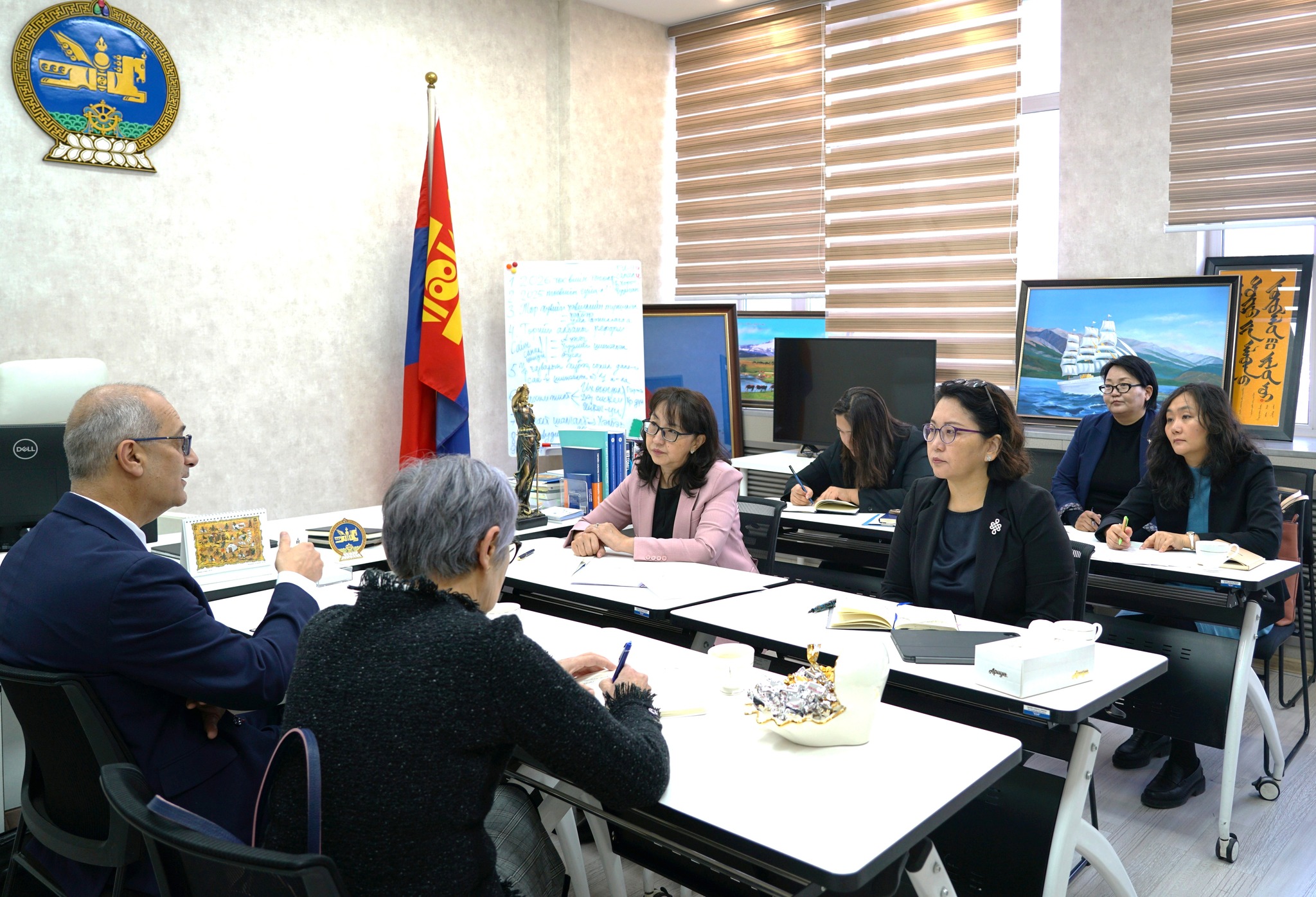
Competency-Based Human Resources Management
The project supports government partners to strengthen competency-based civil service systems that embed gender-responsive ethics and human rights, while advancing civil service reform through merit-based principles.
By linking competencies to merit-based recruitment, training, mentoring, and performance management, and introducing a new onboarding program in four target provinces, the project strengthens public sector performance and delivers sustainable results.

Ethics and Human Rights
The project strengthens ethics and human rights across the civil service through practical self-assessment tools, targeted training, and peer-learning platforms. It supports civil servants to consistently apply codes of conduct, enhances institutional capacity to identify and manage ethics risks, and aligns policy and training frameworks with international standards, advancing a sustainable, merit-based public administration in Mongolia.
At the provincial level, Human Resources, Ethics, and Human Rights Clubs are being established as enduring platforms for peer learning and professional development. These efforts are reinforced through updated policies, aligned training frameworks, and scalable training-of-trainers modules, ensuring continued impact and institutionalization beyond individual interventions.
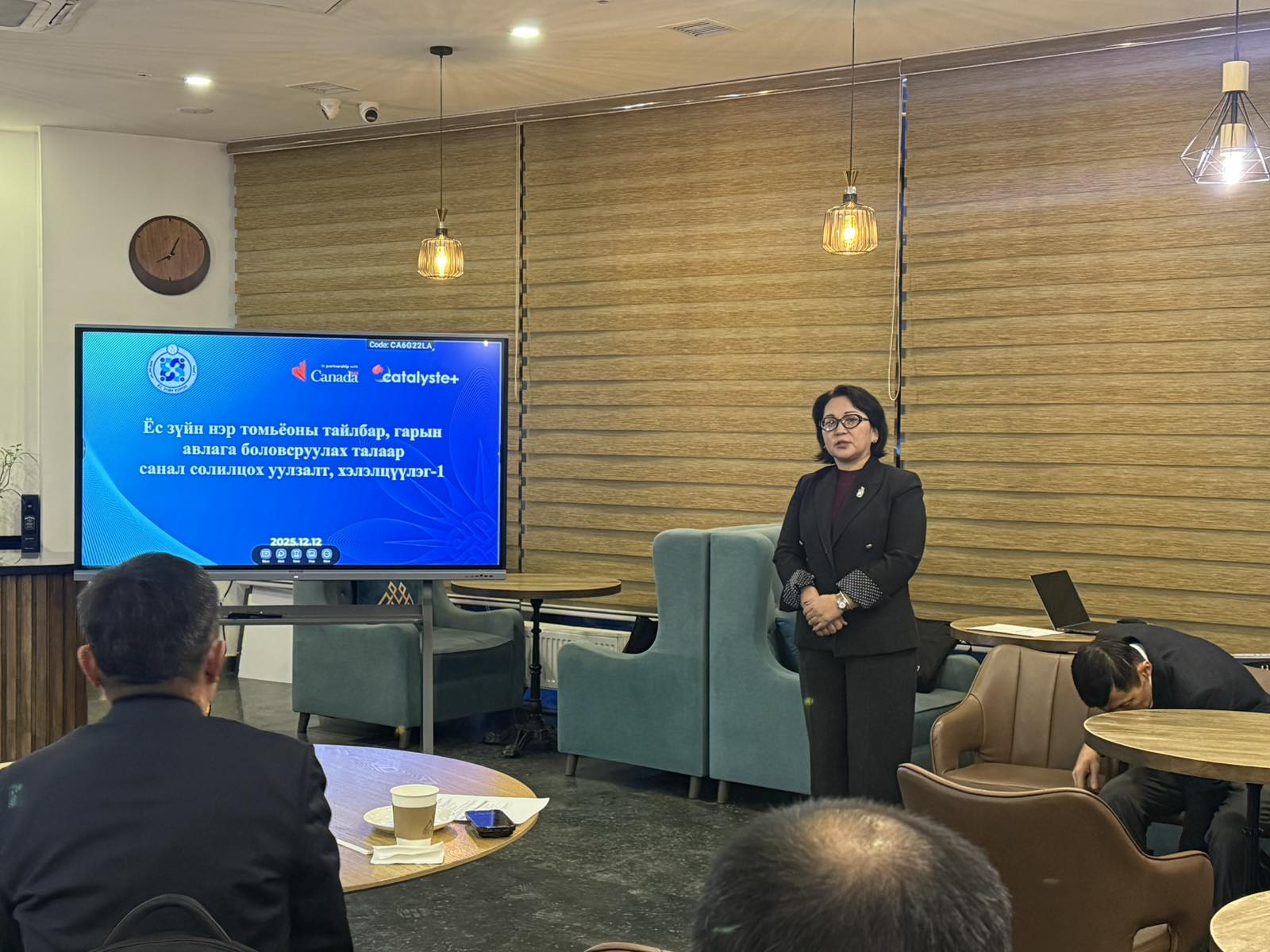
Citizen-Centered Civil Services
The project adopts a citizen-centered approach to strengthen inclusive government decision-making by equipping local partners and civil servants with the skills and tools to meaningfully engage communities—particularly women—through public consultations and participatory policy processes.
Through targeted technical assistance, the project empowers citizens, builds capacity in community consultation and facilitation methods, and provides mentoring to civil servants on community engagement and women’s empowerment. We also support partner organizations to effectively integrate community input across all stages of the policy cycle, including planning, implementation, monitoring, and evaluation.
In parallel, the project strengthens institutional capacity to track, document, and report on gender-responsive, citizen-centered civil service practices, ensuring that inclusive engagement translates into sustainable governance outcomes.
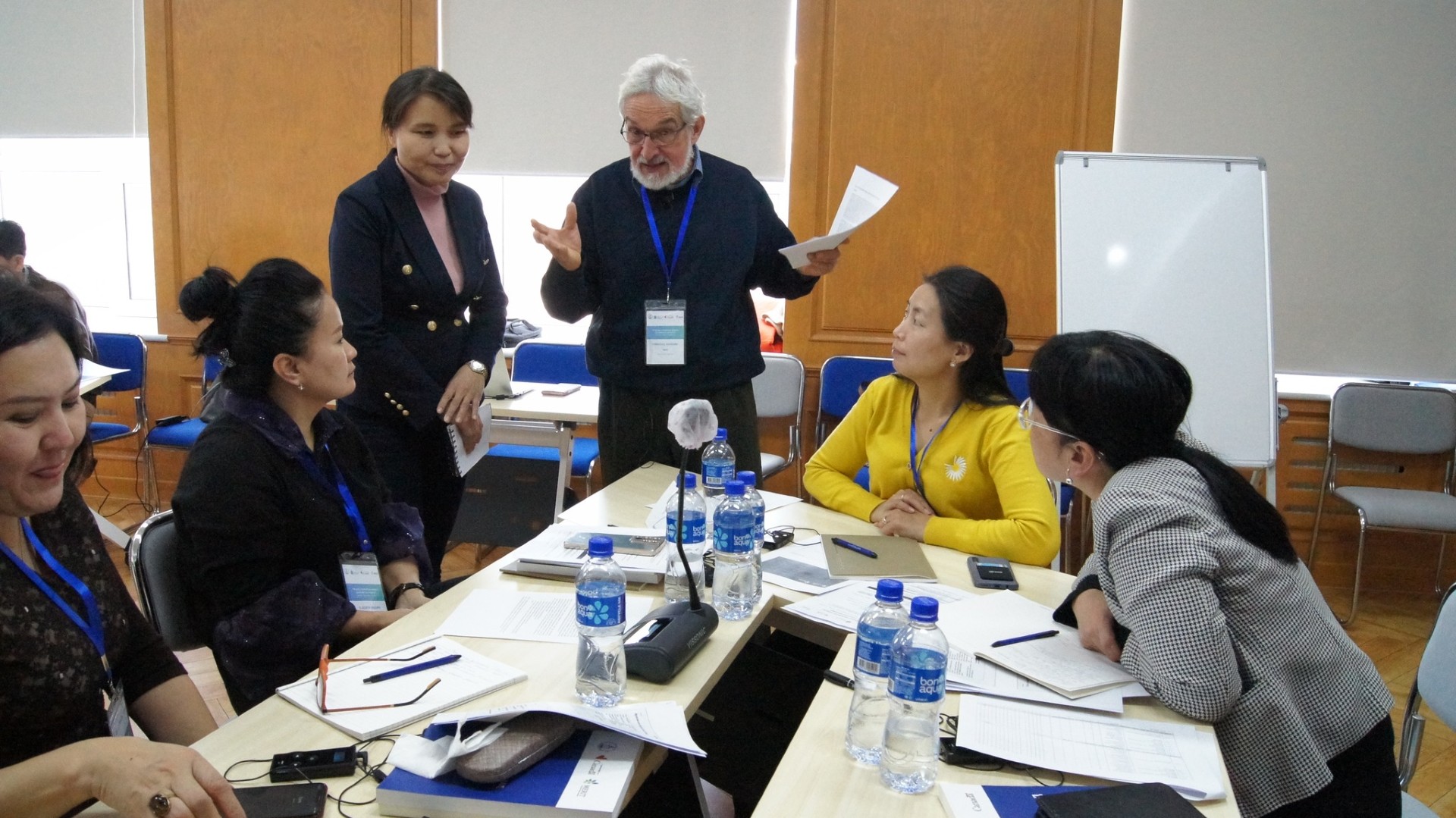
Results-Based Management clearly positioned as a cross-cutting approach
The project strengthens institutional capacity for gender-responsive monitoring and evaluation of a citizen-centered civil service, with Results-Based Management (RBM) as a cross-cutting approach. Through targeted training and technical assistance, it equips government institutions with practical tools to apply evidence-based monitoring aligned with national development priorities, including Vision 2050 and the Sustainable Development Goals (SDGs).
The project disseminates proven methodologies for gender-responsive, citizen-centered monitoring; supports the assessment of development policies; and builds sustainable evaluation capacity through RBM-focused training, training of trainers, and mid-term and end-term surveys. These efforts enable institutions to apply consistent evaluation practices that enhance accountability, performance, and service delivery.
Beneficiaries and Intermediaries
Direct Beneficiaries
20,000
12,00 women and 8,000 men
Civil Servants will be trained, coached, and mentored to enhance their capabilities and performance, with a focus on ethics, human rights, and gender equality.
Direct Beneficiaries
800
460 women and 340 men
Community members and citizens’ representatives will undergo training and mentorship programs to better serve their communities.
Direct Beneficiaries
4,000
2,500 women and 1,500 men
Citizens will participate in inclusive public consultation events, ensuring diverse voices and perspectives are heard
Indirect Beneficiaries
50,000
35,000 women and 15,000 men
Include broader community members who are expected to experience improved public services, increased trust in institutions, and more opportunities for civic engagement because of the project’s interventions.